
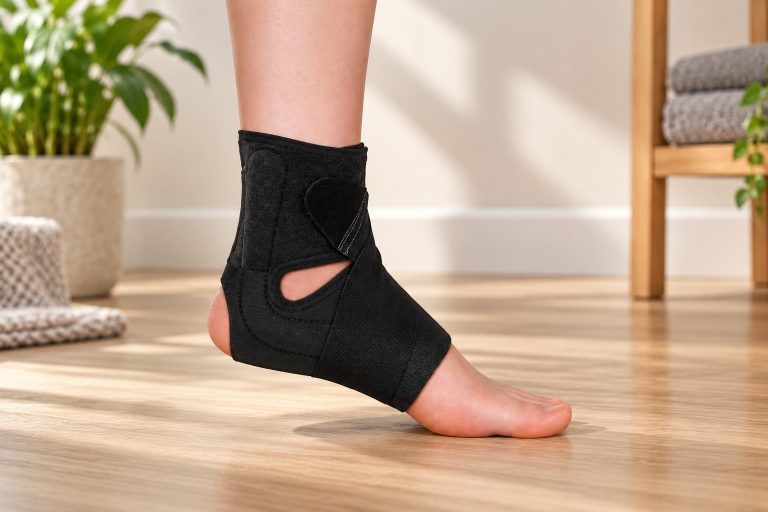

If you’re dealing with a sprained ankle, you’re probably thinking about one thing: getting back to the activities you enjoy. Whether that’s your weekend run, a league game, or just keeping up with your day, the right support can help you move with more confidence while your ankle recovers.
The best ankle brace for a sprained ankle depends on what activities you’re returning to and what kind of fit works for you. Here’s what to keep in mind when choosing one.
Why a Brace Matters After a Sprain
After a sprain, the ligaments around your ankle need time to recover. During that window, extra support can help you stay active and move with more confidence.
An ankle brace for sprain recovery can help in a few important ways:
- Helps support injured or unstable joints
- Reduces inversion and eversion movement (the ankle rolling inward or outward)
- Allows you to stay active while the ankle recovers
- Fits inside most athletic shoes for use during sports and daily activities
A brace isn’t a replacement for professional medical care. But it can be a practical part of your recovery and return-to-activity plan.
What to Look for in an Ankle Brace
Not every ankle brace works the same way. The best ankle brace for your situation depends on the level of support you need, the activity you’re returning to, and how the brace fits your foot.
Support Level
Some braces offer light support for mild discomfort. Others provide advanced support with strapping systems designed to limit side-to-side motion. Match the support level to the severity of your sprain and where you are in recovery.
Fit and Comfort
You’ll wear this brace during workouts, games, or just moving through your day. It needs to fit well inside your shoe without bunching or sliding. Look for adjustable straps that let you dial in the right fit.
Breathability
A brace that traps heat and moisture can get uncomfortable quickly, especially during physical activity. Breathable materials and moisture-management features help keep things comfortable over longer wear.
Ease of Use
A brace that’s difficult to put on or take off won’t get used consistently. Features like speed lacing and hook-and-loop closures make a difference, especially when you’re lacing up before practice or a game.
Mueller Ankle Braces for Sprain Support
Mueller Sports Medicine® has been helping athletes Stay In The Game® for over 65 years. Here are three ankle braces designed to help provide support for weak, injured, or unstable ankles.
The One® Ankle Brace Premium
The One® Ankle Brace Premium provides advanced support and protection for weak, injured, or unstable ankles. It also helps protect from injury or re-injury.
The unique figure 8 strapping system aids in reducing inversion and eversion motion in the ankles and supports without impeding performance. Integrated speed lacing with fewer eyelets and flat laces makes for faster and easier on/off. Grip coating adds support during activity.
Adjustable Ankle Stabilizer
The Adjustable Ankle Stabilizer is recommended to help support weak, injured, or arthritic ankles with an adjustable fit for lasting comfort and stability. The one-size design and adjustable straps make it easy to customize the level of support you need.
Lite Ankle Brace
The Lite Ankle Brace allows full vertical mobility, yet still helps reduce ankle pain. Padded side guards and a hinged lower swivel make this brace ideal for volleyball and basketball players who need support without sacrificing movement.
Tips for Wearing an Ankle Brace After a Sprain
Getting the most from your ankle brace takes a little attention to how you wear it and when.
- Start wearing it early: Put the brace on before activity, not after discomfort begins.
- Get the right fit: Snug enough to feel supportive, loose enough that your toes don’t go numb or feel cold.
- Pair it with good habits: A brace helps provide support, but it works best alongside stretching, strengthening, and rest.
- Replace when worn: Straps and materials break down over time. A brace that’s lost its structure isn’t doing its job.
Support Your Ankles, Stay in the Game
A sprained ankle doesn’t have to keep you on the sidelines. The right ankle brace, combined with good habits and professional guidance when needed, can help you get back to what you enjoy.
Mueller Sports Medicine® has been the trusted name in sports medicine for over 65 years. From lace-up braces to adjustable stabilizers, we make products designed to help athletes and active adults at every level.
Shop Mueller ankle braces and supports to find the right fit for your recovery.
FAQs
Can you still play sports in an ankle brace?
Yes. Many ankle braces are designed to fit inside athletic shoes and allow movement during sports. The key is choosing a brace that provides the right level of support for your activity without impeding performance.
How tight should an ankle brace be?
Firm enough to feel supportive, but not so tight that it restricts blood flow. You should be able to slide a finger under the edge. If your toes feel numb, tingly, or cold, loosen the brace and reapply.
Can you sleep with an ankle brace on?
Ankle braces are generally designed for daytime use and activity. Unless advised otherwise, remove your brace before sleeping.
How long should you wear an ankle brace?
Wear your ankle brace during activities when you need added support. How long you need it depends on your recovery and activity level.