
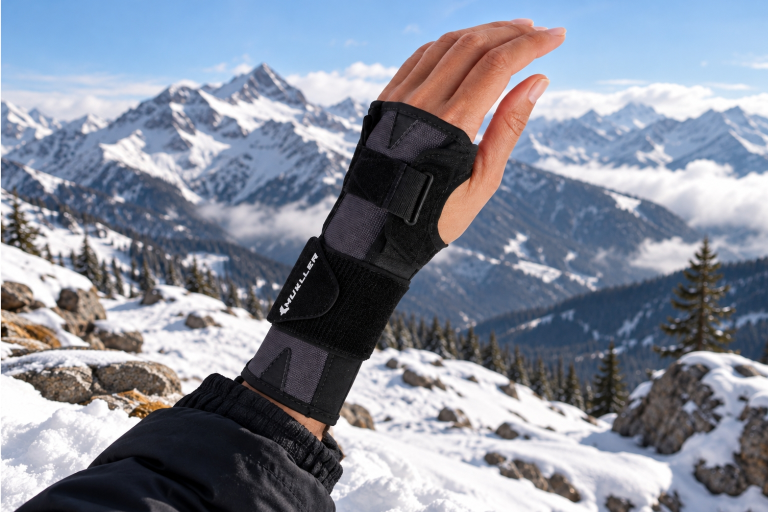

Wrist injuries are among the most common issues in snowboarding. When you lose balance, your instinct is to reach out and catch yourself. That puts a lot of sudden force through your wrists. Whether you’re just getting started or you’ve been riding for years, having the right wrist protection can make a real difference on the mountain.
Here’s what to consider when choosing snowboard wrist guards and how to find the right fit for your riding style.
Why Wrist Protection Matters for Snowboarders
Falls are part of snowboarding at every level. Beginners fall more often, but experienced riders still take unexpected spills on ice, in the park, or during challenging terrain. The wrist is especially vulnerable because it absorbs force at an awkward angle during a forward fall.
Good wrist protection for snowboarding helps by:
- Providing protective support to the wrist
- Allowing you to ride with more confidence, especially on unfamiliar runs
- Helping to reduce motion in the wrist
What to Look for in Snowboard Wrist Guards
Not all wrist protection is built the same. Here are the key factors to weigh when comparing the best snowboard wrist guards.
Support Level
Some wrist guards use rigid splints to limit wrist extension. Others use a flexible stabilizing system that provides support without locking the wrist in place. The right choice depends on how much mobility you want versus how much restriction you’re comfortable with.
Fit Under Gloves
Any wrist protection you wear snowboarding needs to fit comfortably under your gloves or mittens. Bulky designs that don’t sit flat can interfere with your grip on the board’s edge and make it harder to adjust bindings. Look for low-profile designs and breathable materials.
Comfort for Long Days
A wrist guard that’s uncomfortable after an hour on the mountain won’t get worn. Padding, breathable fabric, and adjustable straps all contribute to all-day wearability. If you ride four or five hours straight, the support needs to stay comfortable from first chair to last run.
Durability
Snowboarding puts gear through a lot. Cold temperatures, moisture, and repeated impacts all take a toll. Look for materials that hold up through a full season of regular use without losing their structure or support.
Versatility
If you want wrist support that works on and off the slopes, a reversible design that fits either wrist gives you more flexibility. Some riders also wear wrist support during recovery days or when getting back to activity after a previous wrist issue.
Mueller Recommended Wrist Support for Snowboarders
Mueller Sports Medicine® makes a range of snowboard wrist guards designed to help provide support without sacrificing comfort.
X-Stay Wrist Stabilizer
The X-Stay Wrist Stabilizer features a unique X-Stay stabilizing system that avoids uncomfortable wrist pressure points. Made from breathable, lightweight materials, it’s reversible and fits right or left. The calculated flex zones offer a balance of comfort and stability, while two adjustable straps let you dial in the fit under your gloves.
Comfort Flex Wrist Stabilizer
The Comfort Flex Wrist Stabilizer uses soft, breathable material with plush padding and a patented X-shaped comfort system. It avoids pressure points while providing stabilization, making it a solid option for riders who want wrist support they can wear comfortably through a full day on the mountain.
Tips for Riding with Wrist Support
Getting the most from your wrist protection for snowboarding takes a little attention to setup and technique.
- Layer smart: Wear wrist support as a base layer under your gloves. Make sure your gloves have enough room to accommodate the added layer without feeling too tight.
- Practice falling: Learning to fall on your forearms rather than outstretched hands reduces wrist impact. Pair technique with protection for the best result.
- Adjust for conditions: On icy or hard-packed days when falls hit harder, consider tightening your wrist support for added stability.
- Don’t skip it once you improve: Even experienced riders benefit from wrist support, especially in the terrain park or on high-speed runs.
- Replace worn gear: If your wrist support has lost its structure or the straps no longer hold, it’s time for a new one. Worn-out gear doesn’t provide the same level of support.
Protection for Every Skill Level
Snow days are better when you’re focused on your turns, not your wrists. Whether you’re learning your first carve or chasing fresh powder, the right wrist support can give you added stability when you need it most.
Mueller Sports Medicine® has snowboarding essentials designed to keep you supported from first chair to the final ride down. Shop the snowboarding collection and gear up for your next day on the mountain.
FAQs
Can you wear wrist guards with any gloves?
Most low-profile wrist supports fit under standard snowboarding gloves. If your gloves already have a snug fit, try the combination before hitting the mountain to make sure there’s enough room for both layers.
Are wrist guards only for beginners?
No. While beginners fall more frequently, wrist injuries can happen at any skill level. Experienced riders who push into park features, backcountry terrain, or high-speed runs still benefit from added wrist support.
Do you need wrist guards for snowboarding?
Wrist guards aren’t required for every snowboarder, but they can provide added support during falls. They’re especially useful for beginners who are still getting comfortable on the slopes.
What wrist guards are best for beginner snowboarders?
Beginners can look for a low-profile wrist guard that provides support, fits comfortably under gloves, and allows enough flexibility to grip and control the board.